A Player Development Focus Over Winning
Academy
In youth soccer, it is easy to measure success by trophies. Scoreboards are visible. League tables are public. Parents feel proud when their child’s team wins on the weekend. But development does not always look like winning.
Why We Focus on Player Development Over Winning
Many leading academies across Europe build their entire structure around long-term player growth. Their systems are designed to help players improve technically, tactically, physically, and mentally over many years. Research examining youth development programs across several European football nations shows that successful development systems emphasize long-term learning environments and patient progression rather than short-term results.
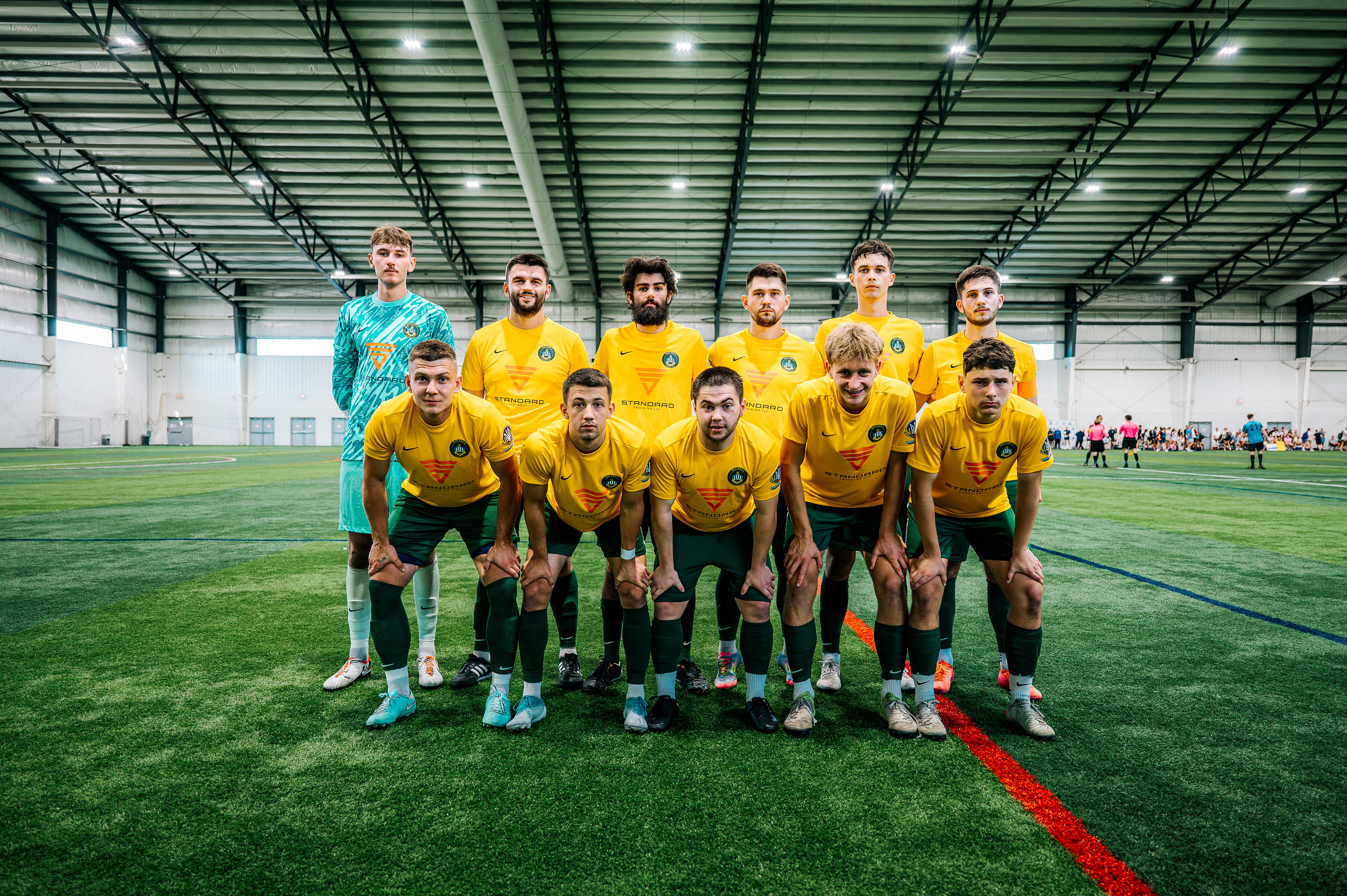
At Hoverla F.C., this same philosophy guides our approach to coaching.
Development Comes Before Trophies
In early youth soccer, winning can easily become the main objective. Coaches may rely on the fastest players, keep athletes in one position, or encourage direct play simply because it increases the chances of winning the next game. The problem is that these decisions often sacrifice long-term development.
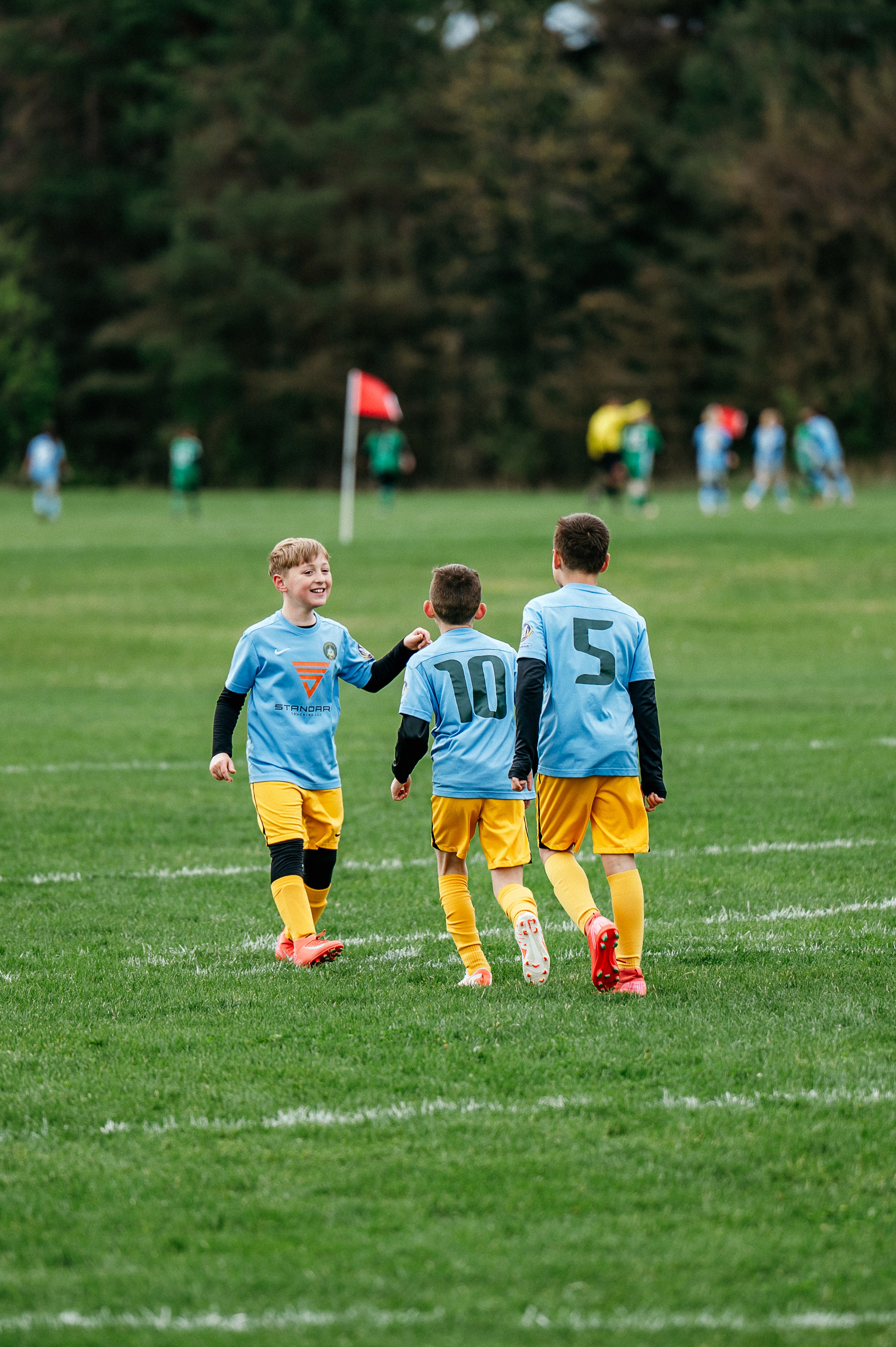
Strong academies approach the game differently. Their focus is on building the individual player first. The team becomes important later, once the players themselves have developed the skills and understanding needed to play the game properly.
The ASC Ajax Players Development philosophy clearly reflects this principle. During the early stages of development, the individual player is the primary focus while the team becomes the secondary focus. The goal is to ensure that each player develops the technical skills, creativity, and confidence needed to contribute later in a team environment.
Winning games at younger ages is not ignored, but it is not the primary measure of success. Development is.
Creativity Must Be Protected
One of the defining characteristics of top football players is creativity. They can solve problems on the field, improvise under pressure, and find solutions that others do not see. Creativity, however, cannot be forced. It must be developed through freedom.
The Ajax training model places strong emphasis on encouraging creativity, ball mastery, and individual expression during early development stages. Players are encouraged to dribble, attempt difficult skills, and experiment with the ball rather than simply passing quickly or avoiding risk. Training environments are designed to challenge players and allow them to solve problems in their own way.
Sometimes this means losing possession.
Sometimes it means making mistakes.
But those experiences help players learn how to adapt and think during the game. When players are given freedom early, they develop confidence and decision-making ability that cannot be taught through rigid systems.
Mistakes Are Part of Growth
Every player develops through trial and error.
They lose the ball.
They misjudge situations.
They attempt difficult moves that fail.
Those moments are not setbacks. They are part of the learning process. The Ajax development model openly acknowledges that losses, mistakes, and failures are necessary parts of long-term development. When coaches focus too heavily on winning, players often become afraid to take risks. They begin playing safely rather than creatively. Over time, that fear limits their development.
Players who are encouraged to try difficult things, even when they fail, develop stronger confidence and resilience. They learn how to handle pressure and improve their decision-making on the field.
Competition Still Matters
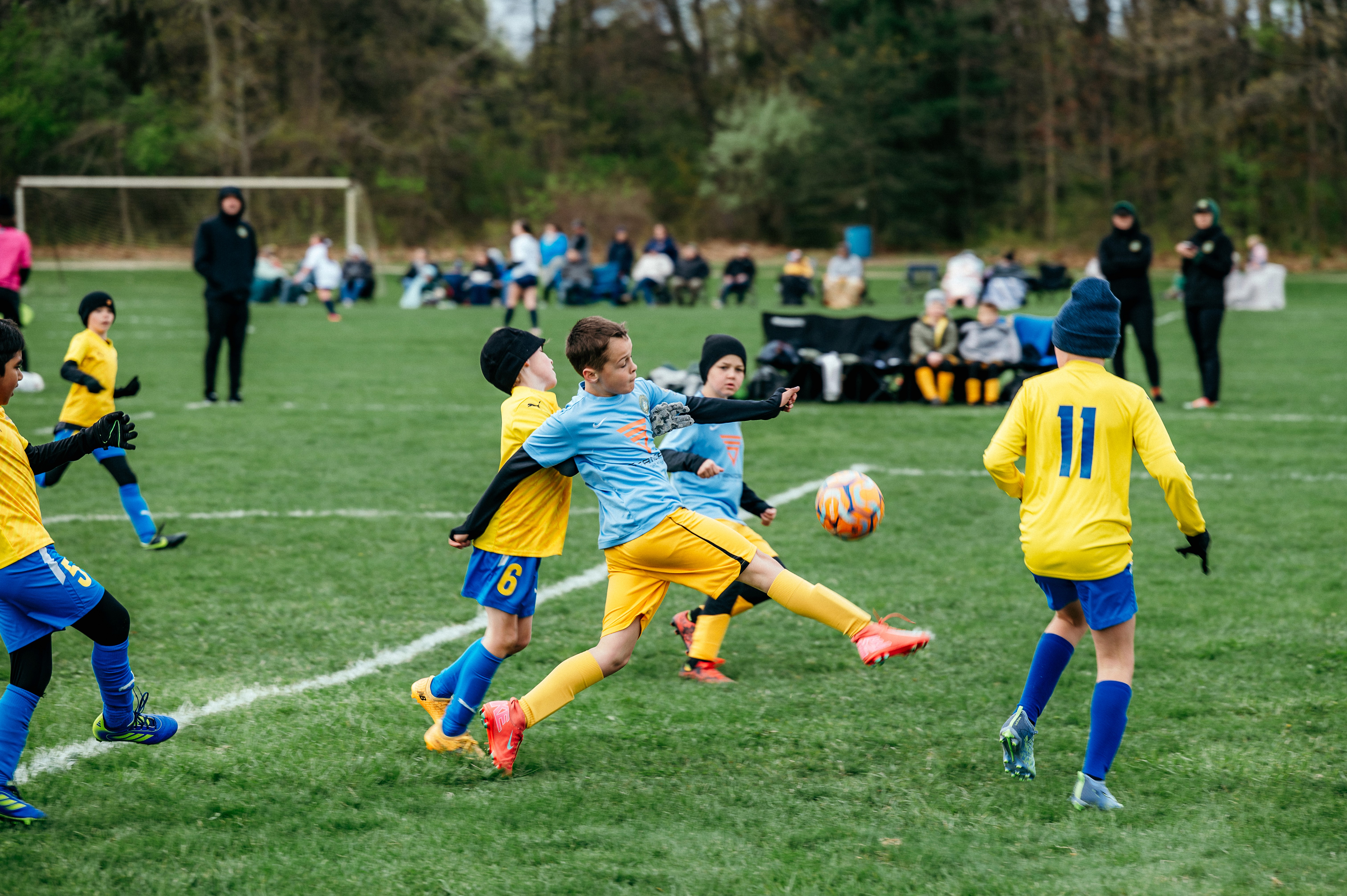
This philosophy does not mean that competition is unimportant. Games play a major role in development. Competition creates pressure. It forces players to make decisions quickly. It exposes weaknesses that training alone cannot reveal.
Research in youth football development shows that competition itself can be an important learning environment when it is structured correctly. The key is how competition is used.
In many European academies, coaches place less emphasis on winning during the younger age groups and gradually increase the importance of results as players move closer to professional levels. This progression allows players to develop their skills first before dealing with the pressure of results.
The Question for Parents
Every parent wants their child to succeed in soccer. That is completely natural, but the definition of success matters. A team may win many games at age 9 or 10 because they are bigger, faster, or more physically developed than other teams. A few years later, that advantage often disappears. The players who continue improving are usually the ones who developed strong technical skills, creativity, and understanding of the game. So the real question becomes simple.
Do you want your child to peak at 10 years old?
Or improve every year until 18?
Short-term wins can feel rewarding. Long-term development creates players who are confident, intelligent, and capable of competing at higher levels.
At Hoverla F.C., we believe the long-term path is the one that truly benefits young players. We focus on development first and winning will follow.
Sources
Athletic Soccer Club Ajax. Player Development Manual.
North, J., Lara-Bercial, S., Morgan, G., & Rongen, F. (2014). Good Practice in European Youth Academies and Their Relevance to Youth Soccer Development. UEFA Research Grant Programme.
European Club Association. ECA Report on Youth Academies in Europe.